

In today’s digital workplace, employees expect fast access to information, seamless communication, and the ability to manage basic HR tasks without waiting for assistance. At the same time, HR departments across Africa — and especially in South Africa — are under pressure to reduce administrative workload, improve accuracy, and focus on strategic initiatives that support business growth.
Employee Self‑Service (ESS) portals have emerged as one of the most effective tools for achieving both goals. By giving employees direct access to their own HR and payroll information, ESS portals empower staff, reduce bottlenecks, and significantly lighten the load on HR teams.
This shift is not just a technological upgrade — it is a transformation in how organisations manage people, data, and daily operations.
Why Employee Self‑Service Matters
Employee Self‑Service portals are secure online platforms that allow staff to view and update their personal information, access payslips, submit leave requests, and perform routine HR tasks without needing to contact HR directly. This simple change has a powerful impact on efficiency, accuracy, and employee satisfaction.
Recent industry insights show that organisations using ESS portals reduce HR administrative queries by 40–60%. This frees HR teams to focus on strategic work such as talent development, workforce planning, and employee engagement.
How ESS Portals Empower Employees
- Instant Access to Personal Information
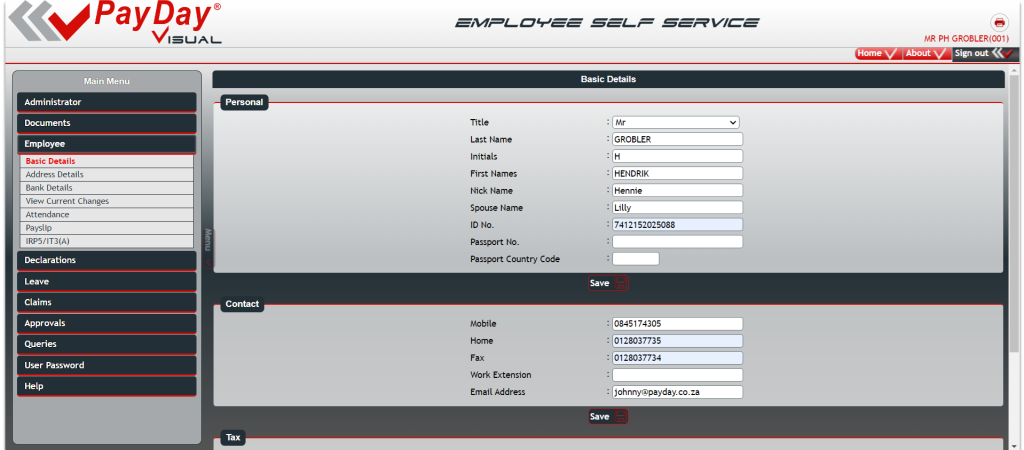
Employees no longer need to email HR to update their address, phone number, emergency contacts, or banking details. ESS portals allow staff to manage their own information securely and instantly, reducing delays and improving data accuracy.
- Transparent Leave Management
Leave management is one of the most common HR queries. With an ESS portal, employees can:
- View real‑time leave balances
- Submit leave requests
- Track approval status
- Access team calendars
This eliminates manual forms, reduces errors, and speeds up approvals. ESS systems automate routing, so managers receive requests immediately, improving workflow efficiency.
- Easy Access to Payslips and Tax Documents
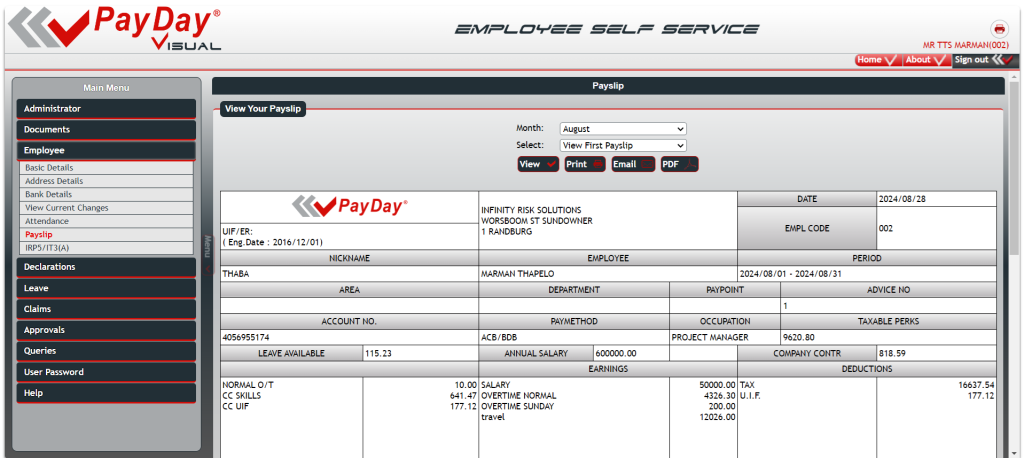
During payroll periods or tax season, HR teams often face a flood of requests for payslips and income statements. ESS portals act as secure digital vaults where employees can download current and historical payslips at any time, reducing HR’s administrative burden and improving data security.
Clear Attendance and Time Records
Employees can view their own attendance history, including clock‑in times, overtime, and any irregularities. This transparency reduces disputes and empowers staff to raise accurate correction requests when needed.
- Faster Access to HR Requests
From submitting claims to training requests, ESS portals centralise routine requests. Employees no longer need to queue at HR’s door — they simply submit requests online and track progress in real time.
How ESS Portals Reduce HR Workload
- Fewer Routine Queries
HR teams spend hours answering repetitive questions such as: “How many leave days do I have left?”, “Can I get my payslip?”, “Please update my bank details.” ESS portals eliminate these queries entirely, allowing HR to focus on strategic initiatives rather than administrative tasks.
- Improved Data Accuracy
When employees update their own information, the risk of data entry errors decreases. HR receives automatic notifications of changes, ensuring records remain accurate without manual intervention.
- Streamlined Workflows
ESS portals automate processes such as leave approvals, document distribution, and profile updates. This reduces paperwork, speeds up processing, and ensures consistent compliance with company policies.
- Enhanced Compliance
Accurate records, automated workflows, and secure document storage support compliance with South African labour regulations and audit requirements.
- Better Employee Experience
Empowered employees are more engaged, more informed, and more satisfied. ESS portals create a modern, transparent workplace where staff feel in control of their information and HR processes.
Why African Businesses Are Adopting ESS Technology
Across Africa, organisations are embracing digital HR tools to support growing workforces, multi‑site operations, and remote or hybrid working environments. ESS portals offer scalability, mobility, and efficiency — all essential for modern workforce management.
For South African businesses navigating complex labour laws, ESS technology provides the accuracy, transparency, and compliance needed to operate confidently.
Empower Your Workforce with PayDay Software Systems
If your business is ready to reduce HR workload, improve accuracy, and empower employees with modern digital tools, an Employee Self‑Service portal is the ideal solution.
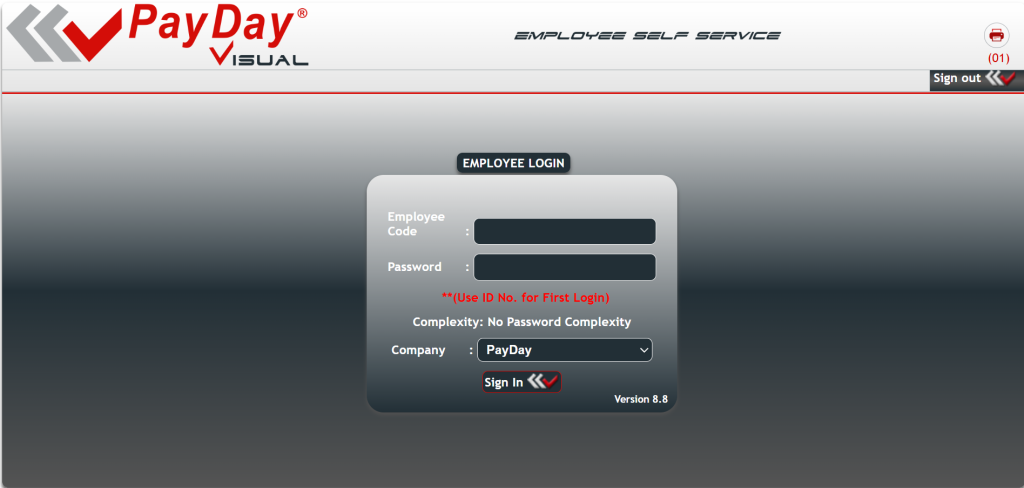
PayDay Software Systems offers a powerful, user‑friendly ESS platform called PayDay Visual, designed for any business. Integrated with PayDay’s Payroll and HR solutions, it provides secure access to personal information, payslips, leave management, attendance records, and more — all in one seamless system.
To explore how PayDay Visual can transform your HR operations, visit www.payday.co.za and discover why so many organisations across South Africa trust PayDay Software Systems.